
Medication Tips
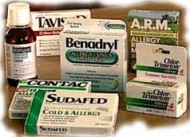
Know the name of your medications
- Write down a list of your medications, with their dose and frequency. This can be used as a reminder, and can be utilized if you're unable to tell medical personnel in the case of an emergency and will be particularly useful if you see more than one doctor.
- Take your medications, especially antibiotics, until they're gone. If you are prescribed two weeks worth of pills, don't stop them in a few days "because you're feeling better". These medications need to be taken for the total duration of time that they're prescribed to completely clear the infection to keep it from coming back.
- Keep on taking your medications. Don't just quit if your refills run out. You or the pharmacist should call the doctor's office for a refill. Medications for most medical conditions (other than temporary conditions such as an infection) need to be continued. If you do need to call your doctor for refills, have their names and doses ready. Also, have the name and phone number of your pharmacy handy.
- In general, it is more important to take the pill than to take it at just the right time! Schedules such as "one hour before or two hours after a meal" are simply too complicated for most of us to follow. It is better in most cases to get the medication taken than to miss it all together while trying to do it "perfectly".
- Try to take your medicines in conjunction with some other regular daily activity, such as that first cup of coffee, breakfast, dinner, or brushing your teeth before you go to bed. Turn this into a habit that is to your advantage.
- Know what to do if you forget a dose. This is different for each different medication. Ask your pharmacist or physician.
- Read the label each time you get your medication to make sure that there have been no accidental changes made by the pharmacist. Look at the pills to make sure they look the same as the old ones. If you have questions about these matters, contact your pharmacist immediately.
- Ask your pharmacist about over-the-counter medicines. Despite the fact that they are available without a prescription, they may have definite risks, especially for patients with heart disease, or those on several medications.
- Don't mix pills in bottles with other pills - keep them in their original container (unless you place them in a dispenser).
When you travel, get enough medication to take over your vacation. Get a dispenser and make sure you have enough. Carry your medications with you or on your carry-on. don't pack them in the suitcase that may get lost. You may even wish to carry a second set of pills in case the first is lost or damaged. - Don't take another person's medication, or give them yours.
- If you have a hard time "keeping your medicines straight", then:
Have someone help you lay them out
Buy one of the simple and inexpensive devices at the drug store that allow you to put in a week's worth of medicine at once. That way, if you're not sure whether you took your medications at a particular time, if you look and they're gone, you'll know you've taken them! - Bring your medications in their bottles to the doctor for your doctor visits. That way they can be checked exactly. Don't just bring a day's worth of pills in a little container . . . there's just too many that look alike to allow them to be identified.
- Side effects: Ask your doctor about side-effects that might occur.
- If you have questions, ask! There really are no stupid questions. You will not be the first to ask.
- Tell your doctor about any over-the-counter medications you may be taking.
- Keep a record of any medications you may have had in the past that didn't work, or didn't agree with you. Be absolutely sure to remember any medications that caused serious reactions. Consider obtaining a bracelet that alerts people to these serious reactions (you may also list important medical conditions and medications such as diabetes and insulin).
- Other ways to help be sure you get your medications taken:
- Keep a calendar near your pills. Mark down when you’ve taken them.
- Buy a wristwatch with an alarm. Set it for when you are to take your medications.
- If you are on more than one medication, try and get them "synchronized" in terms of when they are refilled.
- Ask your physician if you can have generic medications.